Excess Abdominal Fat is Not Only Ugly
Excess Abdominal Fat is Not Only Ugly, but Extremely Dangerous to Your Health - This is More Than a Vanity Issue!

The difference between subcutaneous fat and the more deadly "visceral fat"... Plus the simple steps to REMOVE this fat permanently
 Although this picture depicts an overweight man, this article applies to dangerous types of fat inside the bodies of both men and women... and this discussion also applies even if you only have a slight amount of excess stomach fat.
 Is there actually a REAL solution beyond all of the gimmicks and hype that you see in ads and on commercials for "miracle" fat loss products?
 These types of high intensity exercise routines are also very effective at increasing your fat-burning hormones and creating a hormonal environment conducive to burning off abdominal fat, including visceral fat.

The difference between subcutaneous fat and the more deadly "visceral fat"... Plus the simple steps to REMOVE this fat permanently
by Mike Geary, Certified Nutrition Specialist, Certified Personal Trainer
author of best-selling programs: The Truth about Six-Pack Abs & The Fat-Burning Kitchen
author of best-selling programs: The Truth about Six-Pack Abs & The Fat-Burning Kitchen
Although this picture depicts an overweight man, this article applies to dangerous types of fat inside the bodies of both men and women... and this discussion also applies even if you only have a slight amount of excess stomach fat.
Did you know that the vast majority of people in this day and age have excess abdominal fat? It's true -- as much as 70% of the population in some "westernized" countries such as the US and Australia are now considered either overweight or obese. The first thing that most people think of is that their extra abdominal fat is simply ugly, is covering up their abs from being visible, and makes them self conscious about showing off their body.
However, what most people don't realize is that excess abdominal fat in particular, is not only ugly, but is also a dangerous risk factor to your health. Scientific research has clearly determined that although it is unhealthy in general to have excess body fat throughout your body, it is also particularly dangerous to have excess abdominal fat.
There are two types of fat that you have in your abdominal area. The first type that covers up your abs from being visible is called subcutaneous fat and lies directly beneath the skin and on top of the abdominal muscles.
The second type of fat that you have in your abdominal area is called visceral fat, and that lies deeper in the abdomen beneath your muscle and surrounding your organs. Visceral fat also plays a role in giving certain men that "beer belly" appearance where their abdomen protrudes excessively but at the same time, also feels sort of hard if you push on it.
Both subcutaneous fat and visceral fat in the abdominal area are serious health risk factors, but science has shown that having excessive visceral fat is even more dangerous than subcutaneous fat. Both types of fat greatly increase your risk of developing heart disease, diabetes, high blood pressure, stroke, sleep apnea, various forms of cancer, and other degenerative diseases.
Excess stomach fat has also been associated in studies with higher levels of C-reactive protein (CRP), an indicator of inflammation within the body that can lead to heart disease and other health issues.
Part of the reason visceral fat is particularly dangerous is that studies show that it releases more inflammatory molecules into your system on a consistent basis.
One of the major reasons that some people accumulate more visceral fat than others can be from a high carbohydrate diet that leads to insulin resistance over time (years of bombarding your system with too much sugars and starches for your pancreas to properly handle the constant excess blood sugar) ... and studies show that high fructose intake particularly from high-fructose corn syrup can be a major contributor to excess visceral fat.
If you care about the quality of your life and your loved ones, reducing your abdominal fat (including reducing visceral fat) should be one of your TOP priorities! There's just no way around it. Besides, a side effect of finally getting rid of all of that excessive abdominal fat is that your stomach will flatten out, and if you lose enough stomach fat, you will be able to visibly see those attractive six pack abs that everyone wants.
So what gets rid of extra abdominal fat, including visceral fat?
Is there actually a REAL solution beyond all of the gimmicks and hype that you see in ads and on commercials for "miracle" fat loss products?
The first thing you must understand is that there is absolutely NO quick fix solution. There are no pills or supplements of any sort that will help you lose your abdominal fat faster. Also, none of the gimmicky ab rockers, rollers, or ab belts will help get rid of abdominal fat either. You can't spot reduce your stomach fat by using any of these worthless contraptions. It simply doesn't work that way.
The only solution to consistently lose your abdominal fat and keep it off for good is to combine a sound nutritious diet full of unprocessed natural foods with a properly designed strategic exercise program that stimulates the necessary hormonal and metabolic response within your body. Both your food intake as well as your training program are important if you are to get this right.
I've actually even seen a particular study that divided thousands of participants into a diet-only group and an exercise & diet combined group. While both groups in this study made good progress, the diet-only group lost significantly LESS abdominal fat than the diet & exercise combined group.
Now the important thing to realize is that just any old exercise program will not necessarily do the trick. The majority of people that attempt getting into a good exercise routine are NOT working out effectively enough to really stimulate the loss of stubborn abdominal fat. I see this every day at the gym.
Most people will do your typical boring ineffective cardio routines, throw in a little outdated body-part style weight training, and pump away with some crunches and side bends, and think that they are doing something useful for reducing their abdominal fat. Then they become frustrated after weeks or months of no results and wonder where they went wrong.
Well, the good news is that I've spent over a decade researching this topic, analyzing the science, and applying it "in the trenches" with myself as well as thousands of my clients from all over the world to see what works to really stimulate abdominal fat loss.
From my research, two of the most important aspects to getting rid of visceral fat are:
1. The use of high intensity forms of exercise and full-body resistance training. Low intensity cardio exercise simply isn't as effective for removing visceral fat in particular. High intensity exercise such as interval training, sprints (bike sprints or running sprints), AND full-body weight training are very effective at helping to improve your body's ability to manage glucose and increases insulin sensitivity, a crucial step in removing visceral fat.
These types of high intensity exercise routines are also very effective at increasing your fat-burning hormones and creating a hormonal environment conducive to burning off abdominal fat, including visceral fat.
2. In addition, it's vitally important to get blood sugar under control to help restore insulin sensitivity through the right nutrition. This means greatly reducing sugars and refined starches in your diet (including fully eliminating any use of harmful high fructose corn syrup!), and focusing more of your diet on healthy fats (such as avocados, nuts, seeds, coconut fat, olive oil, grass-fed butter, free-range eggs, fatty fish and fish oils, etc), as well as increasing protein and fiber intake. The standard diet recommended by the government, which contains an unnaturally high grain intake is NOT conducive to controlling blood sugar and reducing visceral fat!
Reducing grain-based foods in your diet and getting more of your carbs from veggies and high fiber fruits such as berries can go a long way to helping to solve this problem.
3 Unique Veggies That Fight Abdominal Fat?
A surprising way that a few specific vegetables can actually stimulate the burning of abdominal fat...
article by Mike Geary, Certified Personal Trainer, Certified Nutrition Specialist
Author -- The Truth about Six Pack Abs & The Fat Burning Kitchen
Author -- The Truth about Six Pack Abs & The Fat Burning Kitchen
 I bet you didn't know that there is a specific class of vegetables that contain very unique phytonutrients that actually help to fight against stubborn belly fat.
Let me explain what these unique vegetables are and why they help to burn stomach fat...
Chemicals that force your body to hold onto belly fat
Something you may have never heard about is that certain chemicals in our food supply and our environment, such as pesticides, herbicides, and certain petrochemicals from air and water pollution, household cleaners, plastics, cosmetics, etc can react with your hormones and make your body store excess abdominal fat.
These harmful chemicals are known as xenoestrogens.
Xenoestrogens are chemicals that you are exposed to (and are hard to avoid in the modern world) that have an estrogenic effect in your body. Excess exposure to these can cause hormone balance disruptions for both men and women. So if you thought this article was just for the guys, these chemicals can wreak havoc in the body for both guys and gals.
These estrogenic chemicals that we are exposed to on a daily basis can stimulate your body to store belly fat, along with many other problems (including cancer risks in the long term).
So here's where this specific class of vegetables comes in handy...
One of those cool tricks that I teach my clients that hire me for nutritional counseling is the use of cruciferous vegetables to help fight against stomach fat.
Cruciferous vegetables such as broccoli, cauliflower, brussels sprouts, kale, bok choy, cabbage, etc. contain veryspecific and unique phytonutrients such as indole-3-carbinol (I3C) that help to fight against these estrogenic compounds...
And by fighting against these belly fat stimulating estrogenic chemicals, this is just 1 more step in helping you to win the battle against abdominal fat!
So there you go... just another excuse to do what mom always told you and eat more broccoli and cauliflower!
I've really learned to like brussells sprouts in the last year too... Melt a little grass-fed cheese on them and some garlic and they're great!
But BEWARE...
Although this class of vegetables may be a super-healthy choice for achieving your lean, strong, and energetic body... I've discovered that there are at least 23 popular foods that most people falsely think are "healthy", but theyactually HARM your metabolism and pack on belly fat.
कामेच्छा बढ़ाने के लिए रोज करें ये कसरतें

दिन भर के तनाव और व्यस्त जीवनशैली का असर अगर आपकी सेक्स लाइफ पर पड़ रहा है तो थोड़ा समय इन कसरतों के लिए निकालिए।
रोजमर्रा के रुटीन में कुछ ऐसी कसरतों को शामिल करें जो न केवल आपकी कामेच्छा बढ़ाएंगी बल्कि आपकी सेक्स परफॉर्मेंस को भी बेहतर बनाएंगी।
जानिए कामेच्छा बढ़ाने वाली तीन आसान करसतों के बारे में और इनकी मदद से अपने सेक्स लाइफ को बेहतर बनाएं।
रोजमर्रा के रुटीन में कुछ ऐसी कसरतों को शामिल करें जो न केवल आपकी कामेच्छा बढ़ाएंगी बल्कि आपकी सेक्स परफॉर्मेंस को भी बेहतर बनाएंगी।
जानिए कामेच्छा बढ़ाने वाली तीन आसान करसतों के बारे में और इनकी मदद से अपने सेक्स लाइफ को बेहतर बनाएं।

सेक्स लाइफ से जुड़ी कसरतों में केजल कसरत का काफी महत्व है। यह पीसी मसल्स को मजबूत बनाती हैं जिससे निजी अंगों में रक्त संचार बढ़ जाता है।
गर्भावस्था के बाद की महिलाओं के लिए यह विशेष रूप से फायदेमंद हैं वहीं पुरुषों में इरेक्टाइल डिस्फंक्शन की समस्या को भी बंद करती है। इसे आप कहीं भी और कभी भी कर सकते हैं।
इसके लिए पेल्विक मसल्स को सिकोड़ने और फिर खोलने का प्रयास करें। स्क्वैट्स न केवल पैरों और कमर को शेप में बनाए रखता है बल्कि कामेच्छा भी बढ़ाता है। यह शरीर के निचले हिस्से में रक्त संचार बढ़ाता है और शरीर को ऊर्जा प्रदान करता है। मसल्स की कसरत होने का कारण यह स्टैमिना भी बढ़ाता है।
गर्भावस्था के बाद की महिलाओं के लिए यह विशेष रूप से फायदेमंद हैं वहीं पुरुषों में इरेक्टाइल डिस्फंक्शन की समस्या को भी बंद करती है। इसे आप कहीं भी और कभी भी कर सकते हैं।
इसके लिए पेल्विक मसल्स को सिकोड़ने और फिर खोलने का प्रयास करें। स्क्वैट्स न केवल पैरों और कमर को शेप में बनाए रखता है बल्कि कामेच्छा भी बढ़ाता है। यह शरीर के निचले हिस्से में रक्त संचार बढ़ाता है और शरीर को ऊर्जा प्रदान करता है। मसल्स की कसरत होने का कारण यह स्टैमिना भी बढ़ाता है।
इसे करने के लिए पहले दोनों पैरों के बीच गैप रखते हुए सीधे खड़े हो जाएं।
कमर सीधी रखें और घुटने मोड़ें। धीरे-धीरे कुर्सी पर बैठने की मुद्रा में आएं और हाथ को सामने की ओर बढ़ाएं।
आठ से दस मिनट तक इस अवस्था में रहे और फिर सीधे हो जाएं।
चाहें तो हल्का वेट का भी इस कसरत में इस्तेमाल कर सकते हैं।
10 Foods to Eat Everyday for Perfect Skin

Taking care of your skin has never been easy. These days there are tons of beauty products that promise you flawless skin. Achieving that silky smooth and vibrant skin does not only require the use of your regular regimen but also a balanced and nutritious diet. Start eating food that enhances skin health! Check out the list of 10 foods to eat everyday for that perfect skin!
1. Red Bell Peppers
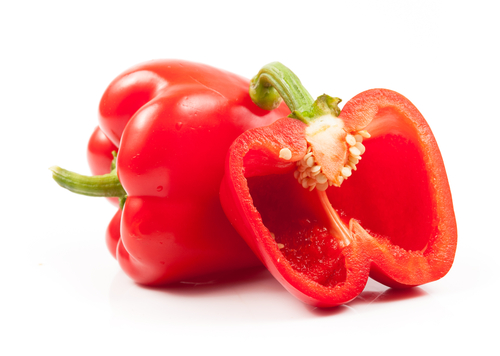
Red bell peppers are a tasty vegetable that can be enjoyed either cooked or raw. One red bell peppercontains more than 100% of your daily vitamin C needs. It also contains significant amounts of dietary fiber and vitamin B6. Moreover, it is rich in carotenoids that can help prevent wrinkles and increase blood circulation to your skin, helping it look more youthful. Due to their carotenoids, red bell peppers are also great to fight acne.
A red bell pepper is a perfect, low calorie snack that contains about 30 calories and has a really satisfying crunchy bite. Keep slices of red bell peppers in the fridge, so you will always have something healthy and tasty to reach for when you are having a snack attack. The fiber that a bell pepper contains will help you to feel full longer with very little calories. Plus, you will have a flawless skin!
2. Dark Chocolate
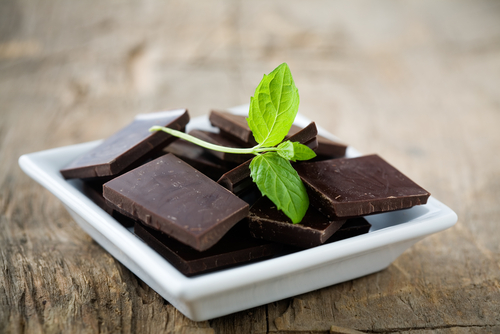
This is one of my favorite foods to eat every day for perfect skin! Dark chocolate is rich in antioxidants, fatty acids and flavanols that promote glowing skin. The antioxidants in dark chocolate will help reduce roughness in your skin and protect it against sun damage. Moreover, cocoa relaxes arteries, increasing blood circulation that leads to healthier skin.
I usually buy cocoa powder or raw cacao for less fat. And if you like dark chocolate, eat your ounce of dark chocolate every day and make sure you choose at least 80% cacao content in order to avoid milk and added sugars found in a traditional chocolate bar.
3. Salmon
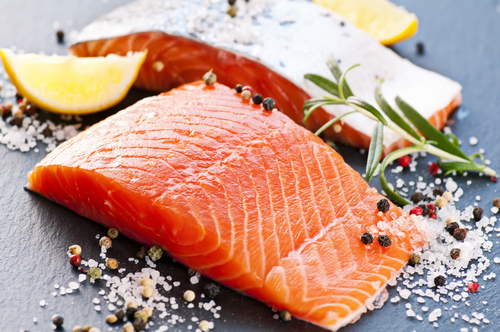
Salmon is an excellent food to fight stress, anxiety, and depression. Salmon also provides most of your daily vitamin D needs. And as you may already know, Vitamin D is responsible for keeping your heart, bones, colon and brain healthy. It also helps prevent colon cancer, anxiety, depression, heart disease and bone disease.
Salmon is also rich in omega-3 fatty acids that are excellent for fighting inflammation, wrinkles and acne. Its high omega-3 content also helps hydrate your skin from the inside out. Moreover, eating salmon keeps your scalp hydrated and promotes strong, healthy hair.
4. Coconut Oil
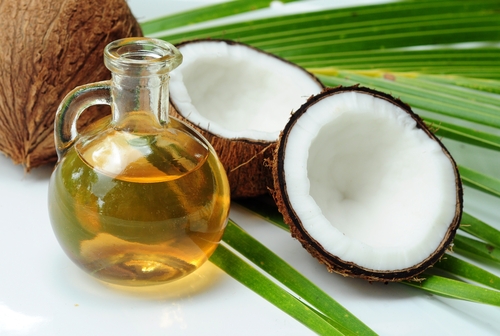
Coconut oil is one of the richest sources of saturated fat with about 90 percent of calories as saturated fat. It contains lauric acid, a powerful antibacterial and antiviral agent that keeps away viruses, infections, inflammation and acne. Coconut oil is also rich in essential fatty acids and Vitamin E, which are perfect for keeping your skin moist, soft, and wrinkle-free.
I use coconut oil as a body cream and consume 1 tbsp. of raw coconut oil every day. Coconut oil is especially good for your thyroid. Plus, there’s considerable evidence that this oil can help lose weight. So many health benefits, don’t you think?
5. Green Tea
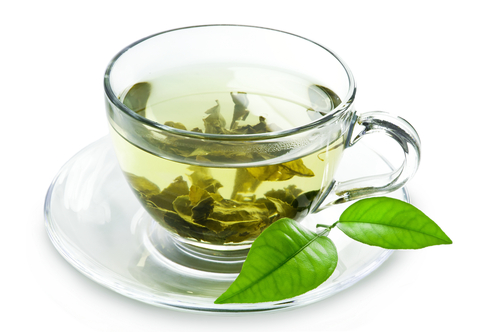
Well, so I know green tea is actually a beverage, but tea leaves come from a plant! Even though I love black tea, I drink green tea every day because I know that it is a great source of antioxidants and a uniqueamino acid, L-theanine that helps relax your body and lower stress.
When the tea is hot, the bionic brew releases catechins, a kind of antioxidant with proven anti-cancer and anti-inflammatory properties. Green tea may also reduce your risk of developing high blood pressure. Drink 3 or more cups of tea every day for better results.
6. Spinach
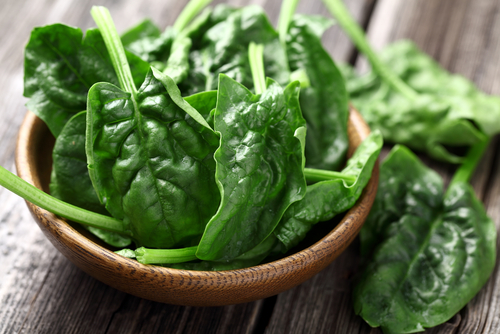
Spinach is a healthy and nutrient-rich food you should certainly include in your everyday diet. You may hatespinach, but it is a wonderful source of iron, folate, chlorophyll, Vitamin E, magnesium, Vitamin A, fiber, plant protein, and Vitamin C. Due to their antioxidant abilities, Vitamins C, E, and A are especially great for your skin.
Spinach contains antioxidants that fight against all types of skin problems. Add it to your everyday diet and see what happens. By eating spinach, you’re just cleaning your skin from the inside out!
7. Seeds
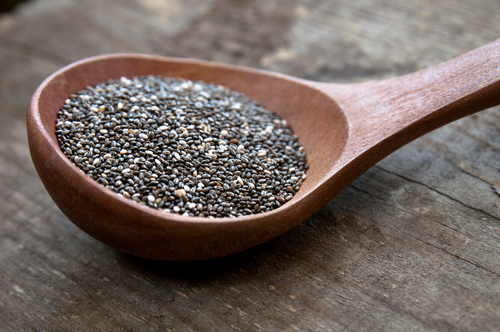
Chia seeds, hemp seeds, sunflower seeds, pumpkin seeds, and flax seeds are all great for your skin. Pumpkin seeds and sunflower seeds are both rich in selenium, Vitamin E, magnesium and protein. Selenium and protein keep all wrinkles away, Vitamin E enhances moisture in your skin and magnesium lowers your stress levels. The healthy Omega 3 fatty acids in flax, chia and hemp seeds are perfect for fighting wrinkles and acne. Plus, these seeds are rich in protein.
Just sprinkle seeds right on top of your salad or oatmeal and enjoy the great taste as well as perfect skin. I like to add seeds to a fruit yogurt, I think it tastes even better. I also add raw pumpkin seeds in my oh-so delicious smoothies. And what are your favorite seeds? How do you eat them?
8. Celery
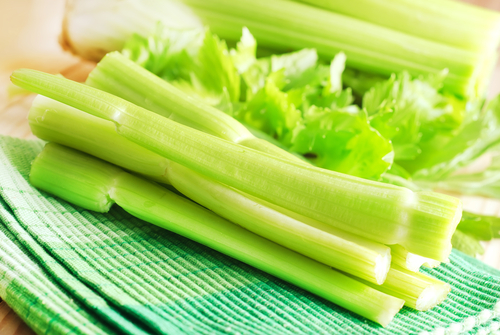
Another food to eat daily for perfect skin is celery. Many of us underestimate this veggie, but celery contains Vitamin K that keeps the blood circulation healthy and helps to reduce high blood pressure. This can reduce your stress level, and as you know stress can cause bad skin, migraines and even cancer.
Celery also contains natural sodium, potassium and water, and can help to prevent dehydration. I hope you know that dehydrated skin means dryness, flaking, wrinkles, and even breakouts. Make sure you consume celery every day or at least every other day. If you are counting calories, don’t worry, celery is very low in calories!
9. Papaya
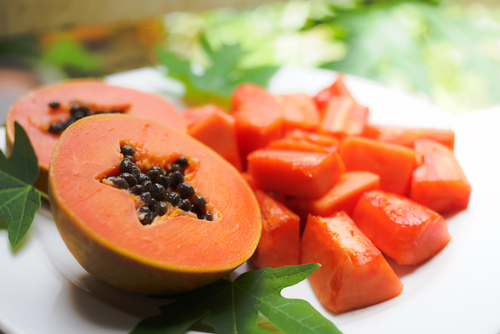
Papaya is a wonderful fruit which has a rich history and numerous nutritional benefits. It is very low in calories (only 39 calories per 100 g!) and also contains no cholesterol. So if you are trying to lose weight, consider eating papaya every day to maximize its health benefits.
A great beauty food, papaya is low in fructose and is excellent for digestion! The antioxidant nutrients found in it, including Vitamins C and E and beta-carotene, are great at reducing inflammation and acne. Moreover, Vitamin C may also protect your skin against sun damage.
10. Carrots
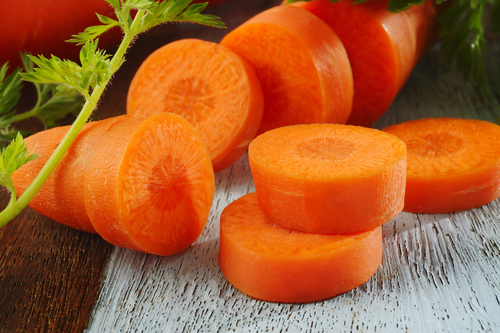
Carrots are good not only for your eyes, but also for your skin. They are especially good for clearing up breakouts. Carrots are rich in vitamin A and they help prevent the overproduction of cells in the outer layer of the skin. That’s where excess sebum combines with dead cells and clogs pores.
Another great reason to snack on some carrots is because Vitamin A reduces the development of skin-cancer cells. So make sure you nibble on a half-cup of baby carrots every day for perfect skin. I love carrotsand I think they make a great snack.
You don’t have to eat all these foods every day, but even some of them would be great! Be sure to avoid junk foods, too much sugar, trans fats and refined carbs for the best skin possible. Which of these foods do you eat every day? Share your thoughts, please, and thanks for reading!


